Title Deeds in Cyprus Explained: A Buyer's Guide
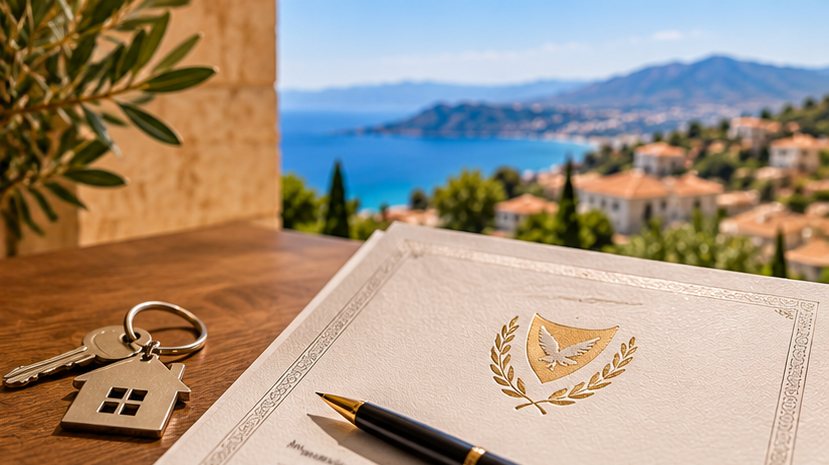
Title deeds in Cyprus explained simply: a title deed is the official document that proves who owns a property. It records the owner, the exact location and area, and any mortgages or charges registered against it. Without a title deed in your name, you hold a contract and legal protections. You do not yet hold full registered ownership.
This guide covers what a title deed contains and how you obtain one for a new build or a resale. It also explains the fees and what to do when a property has no deed yet.
Title Deeds in Cyprus Explained: What They Show
A Cyprus title deed is formally a certificate of registration of immovable property. The Department of Lands and Surveys keeps the land register, and every registered property has an entry there. The deed shows the registered owner, the plot reference, the area, and the property description.
Importantly, it also lists encumbrances. These include mortgages, court orders, and other charges that limit what you can do with the property. Reading this section carefully protects you from inheriting a seller's debt. Our legal due diligence checklist for buying property in Cyprus explains how these details are verified before you pay a deposit.
How to Get Title Deeds in Cyprus
This part of title deeds in Cyprus explained is simple. The route depends on whether you buy a new build or a resale property. In both cases, the district land office handles the registration. For Nicosia buyers, that means the Nicosia district office.
Title Deeds for a New Build
For a new property, the developer applies for the title deed. First, the developer presents a certificate of final approval from the local municipality. This confirms that the building followed its permits. After that, the property is registered and transferred into your name.
Delays are common here. A missing approval, an unfinished common area, or a bank loan on the whole development can all slow the process. Therefore, ask the developer for a written timeline before you commit. Our comparison of new build vs resale property in Nicosia shows how this timing affects your decision.
Title Deeds for a Resale Property
For a resale, the process is usually quicker because the seller already holds a deed. You and the seller, or your representatives, attend the district land office. Bring the contract of sale and identification with you. Once you pay the transfer fees, the office issues the deed in your name.
Transfer Fees and Costs
Title deeds in Cyprus explained would be incomplete without the fees. Transfer fees go to the Department of Lands and Surveys when the deed moves into your name. They apply to resale purchases. Properties that carry VAT do not pay transfer fees as well. VAT is typical for the first sale of a new build.
The fees follow a progressive scale. They are 3% on the first €85,000 of value and 5% on the next band up to €170,000. Above that, the rate is 8%. A 50% reduction applies when the purchase is not subject to VAT.
For example, on a €200,000 resale, the full scale gives roughly €9,200. After the 50% reduction, the bill falls to about €4,600. Fees are calculated per buyer, so a couple who buy jointly can lower the total. Treat these figures as a guide, because the assessed value can differ from the price. Our cost of buying a house in Cyprus guide puts transfer fees alongside every other purchase cost.
What If the Property Has No Title Deed Yet?
Many buyers purchase before the deed exists, and the law offers real protection when they do. Once you sign the contract of sale, FOX property consultants help make sure it is lodged with the land registry. This happens under the Sale of Immovable Property (Specific Performance) Law. The registration protects your interest while you wait. It stops the seller from selling the property again or adding new charges.
Even so, you should not simply trust the process. Confirm that the contract is actually lodged. Ask who is responsible for completing the transfer. Check whether the developer has a mortgage on the land. Buyers who need a deed for residency purposes should read our guide to Cyprus Golden Visa properties before choosing a property, because timing matters there.
Common Title Deed Problems and How to Avoid Them
Title deeds in Cyprus explained for buyers must include the common problems. Most fall into a few categories. One is a deed delayed because the developer has not obtained final approval. Another is a mortgage that the seller never released. A third is a mismatch between the registered area and the real building, often caused by an unapproved extension.
Each of these is easier to solve before you pay than after. FOX property consultants can help you ask for a written commitment on timing and for the release of a mortgage at completion. Likewise, a price adjustment is often possible when the building differs from the approved plans. Buyers who raise these points early usually keep full control of the outcome.
Cost planning matters as well. A delayed deed can delay a later resale, since you cannot transfer what is not yet registered in your name. For that reason, investors should ask about the deed timeline just as carefully as owner occupiers do.
How to Check a Title Deed Before You Buy
Start by asking for a copy of the deed and compare it with the property itself. The owner's name should match the seller, and the registered area should match the building. Next, ask FOX property consultants to help you request a search certificate through the Cyprus Department of Lands and Surveys. It confirms current ownership and any registered charges.
Finally, compare the deed against the approved plans. Unapproved extensions can complicate both the sale and later registration. You can see current listings among our properties for sale in Nicosia, and you can ask our team about the title status of any listing.
Protect Your Ownership From Day One
Title deeds in Cyprus explained in one line: a title deed is the foundation of safe property ownership. Check it before you pay. Understand when and how it will reach your name. Budget for the transfer fees that apply to your purchase. When a deed is not yet available, make sure your contract is lodged and FOX property consultants have confirmed the next steps. These steps turn a potentially stressful process into a predictable one.
Frequently Asked Questions
What is a title deed in Cyprus?
A title deed is the official certificate that proves registered ownership of a property. It lists the owner, plot reference, area, and any mortgages or charges. The Department of Lands and Surveys issues it through its district offices.
Can I buy a property in Cyprus without a title deed?
Yes, many buyers do. However, the contract of sale must be lodged with the land registry under the Specific Performance Law. FOX property consultants can guide you through this step. It protects your rights until the deed is issued in your name.
How long does it take to get a title deed in Cyprus?
For a resale, the transfer can complete quickly once fees are paid and both sides attend the land office. For a new build, the wait depends on the developer and the municipality. It can range from months to several years, so ask for a written timeline.
Who pays for the title deed transfer in Cyprus?
The buyer normally pays the transfer fees to the Department of Lands and Surveys. Fees apply to resales, while properties subject to VAT do not pay transfer fees.
How can I check if a Cyprus property has a mortgage on its title deed?
FOX property consultants can help you request a search certificate from the Department of Lands and Surveys. It shows registered owners, mortgages, and other charges, so you can resolve them before you pay.
Related Articles